What Are Safe-haven Assets? A Simple Guide for Smart Investors
During a downturn in the market when fear of uncertainty prevails, it is a natural reaction for investors to seek ways to safeguard their money. This is the point at which safe, haven assets come in handy. They are the assets that tend to retain their value or even increase during times of economic slowdowns, political tensions, or financial crises. The knowledge of what are safe, haven assets and how they function may help a person to make a more resilient investment portfolio. No matter if you are trading currencies, investing in commodities, or just planning on protecting your wealth in the long run, safe, haven assets will always be your financial buffer. This article will cover their types along with their characteristics, advantages, disadvantages, and their role in modern investing.
What are safe-haven assets?
Fundamentally, a safe-haven asset refers to the investment that has a low or negative correlation with the equity market as a whole. This implies that as the prices of the stocks decline, the price of a safe haven remains constant or rises. The meaning of safety in finance is usually subjective and varies depending on the cause of the market stress. Nevertheless, the authentic safe havens usually have a few common features:
- High Liquidity: the asset has to be able to be converted to cash within a short time and it has to lose its value considerably.
- Scarcity: It has been observed that the assets that cannot be easily printed or produced in abundance are likely to be priced higher.
- Universal Demand: The asset is to be realized and be appreciated in any part of the world irrespective of the economic conditions in the localities.
- Political and Economic Stability: The underlying party (such as a government) should be viewed as eminently unlikely to default.
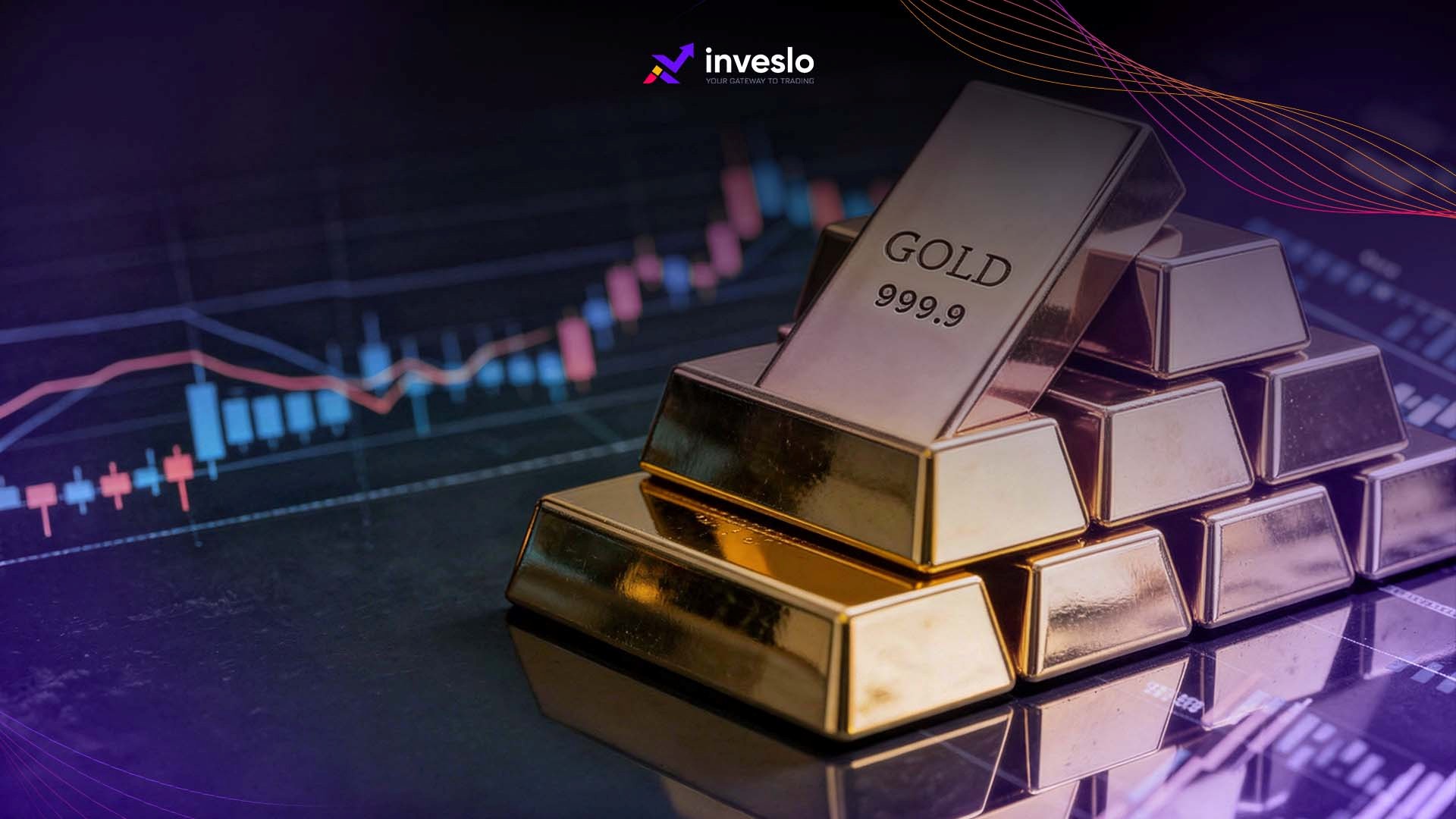
The most notorious case of a safe-haven, in historical times, is gold. Since it is a physical product with a limited supply, and has a long history of value, thousands of years in fact, many investors rush there when they lose trust in paper money or corporate profits.
Common Types of Safe-Haven Assets
Gold
The most well-known safe-haven asset is gold. It has been serving as a store of value for centuries. As inflation or weaker currencies set in, gold tends to be more desirable.
Benefits of gold:
- Hedge against inflation
- Global demand
- Limited supply
- Low correlation with stocks
Limitations:
- No interest income
- Short-term price fluctuations.
- US Dollar
US Dollar
The US dollar is the mainstream reserve currency in the world. In times of crisis, investors will go into the dollar because it is stable and liquid. It is also a safe-haven currency because many and most international transactions are paid in USD.
Japanese Yen
Another common safe-haven currency is the Japanese yen. It tends to increase in case the global risk attitude is poor. The traders are keen on the currency pair USD JPY because it indicates the level of confidence in the market.
Swiss Franc
The Swiss currency is a good safe-haven currency because of the strong economy and political neutrality of Switzerland. It is mostly employed when there is stress on the global financial front.
Government Bonds
Safe havens are bonds issued by stable governments, and are particularly US Treasury bonds. They provide a certain income and less risk than equity.
Cash
Cash in hand is free and secure in the event of uncertainties. Although it does not yield returns, it enables investors to wait till they have better opportunities.
How Safe-Haven Assets Perform During Crises
The historical record demonstrates that safe-haven assets provide greater returns than risky assets during times of crisis.
Examples:
- The 2008 financial crisis brought about a significant increase in gold prices.
- The US dollar tends to increase in value when geopolitical conflicts arise.
- Commodities experienced price increases during periods of rising inflation.
Safe-haven assets can still experience financial losses. The combination of market policies and interest rates and global demand continues to determine price movements.
Benefits of Investing in Safe-Haven Assets
Safe-haven assets are crucial in the development of a strong and balanced investment portfolio. These are the assets that tend to maintain their value even in times of economic uncertainty, market unpredictability, or even geopolitical tension, i.e. gold, government bonds, and stable currencies. The following are the main advantages of having safe-haven assets in your investment portfolio.
Portfolio Stability
The stabilization of a portfolio is one of the main benefits of safe-haven assets. Safe-haven investments tend to be counterintuitive when equity markets are volatile or when they are falling sharply or tend to be stable. This counterbalance effect has the effect of reducing portfolio volatility and even long-term returns. The stability will enable investors to remain confident and not to make impulsive decisions at the time of intense market volatility.
Capital Protection
It is strongly accepted that safe-haven assets serve as a buffer of capital in economic crunches, financial crises or in inflationary times. Other assets like gold or government securities are likely to maintain their values as opposed to high-risk areas that can experience massive losses. This renders them particularly useful in conservative investors or retirees and other people who aim at maintaining their well-earned savings.
Diversification
Safe-haven assets play an important role in diversification as it is one of the fundamentals of good investing. Diversification of investments between the various asset types, such as stocks, bonds, commodities, and currencies, allows investors to minimize the risk associated with being reliant on a particular market or industry. Safe-haven assets have a negative or low relationship with riskier investments, a characteristic that qualifies them as a suitable instrument in improving portfolio balance and systemic risk reduction.
Liquidity
The majority of safe-haven assets are very liquid, implying that they can be readily sold or purchased in the market without much impact on their price. Gold is an example of this since it can be converted into cash within a short time. Liquidity is high, and thus, there is flexibility and peace of mind since investors can get access to their funds when they need them, particularly in cases of emergencies or unexpected changes in the market.
Inflation Hedge
Some safe-haven assets, especially gold, can be used as an excellent hedge against inflation. With the devaluation of paper money as time goes by, as prices rise, gold and other such assets tend to rise in value, which contributes to the maintenance of purchasing power. This attracts them as a long-term wealth protection in an inflationary economy.
Risks and Limitations of Safe-Haven Assets
Although safe havens are handy, they are not flawless.
Key limitations:
- Less long-term returns when compared to stocks.
- Cost opportunity in bull markets.
- Short-term price volatility.
- Crisis overcrowding risk.
Excessive investments in safe havens may censor the growth of portfolios.
Final Thoughts
Safe-haven investment options represent an essential element of a well, thought, out investment strategy. Their role is to safeguard capital, mitigate the risk of the portfolio, and provide a steady environment during times of uncertainty. A thorough comprehension of what safe-haven assets are and how they function allows investors to make more informed choices and create portfolios that are capable of withstanding shocks. Whether one is engaged in forex trading or merely setting up an investment for the long term, safe havens offer a sort of equilibrium, along with the comfort that comes from knowing one's investment is safe.
If you would like to understand better how safe-haven assets might complement your trading experience, please contact our team of specialists at Inveslo and make a decisive step towards investing with confidence.
Frequently Asked Questions
1. What is the safest asset during a recession?
Historically, gold and US Treasury bonds have existed as the most secure assets because people value gold everywhere, and the government guarantees US Treasury bonds.
2. Is Bitcoin a safe-haven asset?
The answer remains uncertain because some people refer to it as "digital gold," but its price movements create patterns similar to high-risk technology stocks.
3. Why does the Yen rise when global markets fall?
Japanese investors commonly sell their overseas investments to return their financial resources to Japan, which leads to increased Yen demand.
4. Can safe-haven assets lose money?
Yes. The market results in asset value reductions for gold and bonds when rapid market recovery occurs, or interest rates experience significant increases.
5. How much of my portfolio should be in safe havens?
Experts recommend that you allocate 5% to 15% of your portfolio to safe havens according to your personal risk assessment and the existing global economic conditions.
6. Is the US Dollar always a safe-haven asset?
The US Dollar serves as a haven because it functions as the global reserve currency which provides users with superior market accessibility.